Why RAM Prices Are Rising in 2026: AI Demand, Supply Shortages, and the Future of Memory
2026-03-14
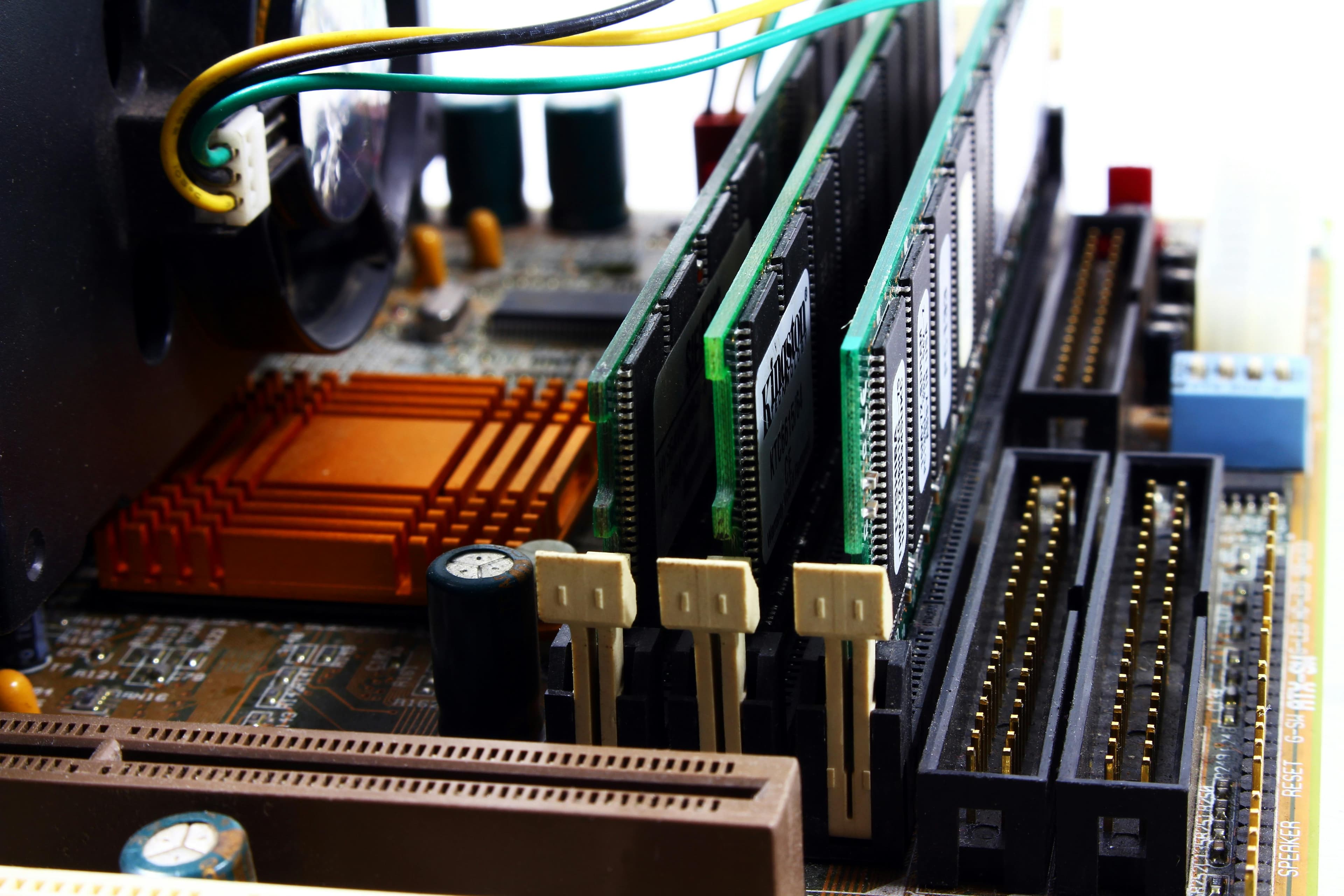
Why RAM Prices Are Spiking in 2026 — And Why It Might Get Worse
If you’ve tried to upgrade your PC recently, you may have noticed something frustrating: RAM prices are climbing again.
A 32GB DDR5 kit that once sold for around $270 is now approaching $350 or more, and many popular kits sell out quickly after being listed online.
This sudden price spike is not random. It’s the result of several global trends colliding at once—AI demand, supply constraints, and industry shifts toward newer memory technologies.
Let’s break down what’s happening in the memory market and why RAM is becoming more expensive.
The AI Boom Is Consuming Memory Supply
The biggest reason behind rising RAM prices is artificial intelligence infrastructure.
Modern AI data centers require enormous amounts of memory. AI servers often need many times more DRAM per system compared to traditional servers.
Companies like Microsoft, Google, and Amazon are purchasing massive quantities of memory chips to power their AI clusters.
When hyperscale cloud providers start buying memory in bulk, the consumer market suffers.
Manufacturers naturally prioritize these higher-margin enterprise customers, which leaves fewer chips available for consumer PCs, laptops, and gaming systems.
This imbalance between supply and demand is one of the main drivers of today’s RAM pricing surge.
DRAM Prices Are Rising Rapidly
Recent industry reports show how dramatic the increase has become.
- DRAM contract prices rose up to 50% in early 2026
- Older memory types may increase 70–100% compared to 2025 prices
- Some spot market DRAM prices jumped several hundred percent during peak shortages
That kind of volatility is unusual even for the semiconductor industry, which is famous for its boom-and-bust cycles.
For consumers, this means the RAM upgrade that once cost $70 might now cost $110 or more, depending on the kit.
The DDR4 to DDR5 Transition Is Causing Shortages
Another key factor is the industry transition from DDR4 to DDR5 memory.
Manufacturers are gradually shifting their production lines toward DDR5 because it is used in:
- New CPUs from Intel and AMD
- AI servers
- Next-generation laptops and desktops
The problem is that DDR4 production is shrinking, while DDR5 production is still ramping up.
That creates shortages on both sides:
- DDR4 becomes scarce because fewer factories produce it
- DDR5 is expensive because demand is extremely high
This transition period is creating what analysts describe as a structural supply shortage in the memory industry.
Even PC and Laptop Prices Are Increasing
RAM price increases affect more than just DIY PC builders.
Because memory is a core component of every computing device, rising DRAM prices are pushing up the cost of:
- Laptops
- Smartphones
- Game consoles
- Servers
Analysts estimate that mainstream laptops could increase significantly in price if component costs continue rising.
Memory and storage now represent a much larger share of the total PC manufacturing cost than they did just a few years ago.
Budget Devices Are the Biggest Casualty
Entry-level hardware is suffering the most from the RAM crisis.
Reports suggest that:
- Memory and storage prices have increased over 60% in early 2026
- Shipments of low-cost PCs and laptops could drop significantly this year
Manufacturers simply cannot maintain profits on very cheap devices when core components like RAM suddenly become expensive.
As a result, many brands are focusing on premium devices, where higher prices are easier to justify.
Another Unexpected Factor: Scalpers and Bots
In some markets, automated bots are buying RAM kits immediately after they appear online.
These kits are then resold at inflated prices.
For example:
- A 32GB DDR5 kit priced around $359 sold out instantly in some markets
This behavior worsens the supply crunch for normal consumers trying to upgrade their PCs.
Will RAM Prices Drop Soon?
The short answer: probably not immediately.
Industry analysts expect the memory shortage to continue throughout much of 2026, with prices stabilizing later if production catches up.
However, several factors could keep prices elevated:
- Continued AI data center expansion
- Limited semiconductor manufacturing capacity
- Supply chain disruptions
- Rising production and energy costs
Some experts believe the memory market may not fully stabilize until late 2026 or even 2027.
What This Means for PC Builders
If you're planning to build or upgrade a PC, there are a few strategies worth considering.
Consider DDR4 systems
Older platforms can still offer solid performance and often make upgrades much cheaper than jumping to the newest platform.
Avoid panic buying
Memory prices historically move in cycles, and sudden spikes usually correct themselves over time.
Revisit old hardware
If you have older laptops or PCs sitting unused, this might be a good time to salvage parts or bring them back to life with small upgrades instead of building an entirely new system.
The Bigger Picture
The RAM price surge is a reminder that the entire tech industry is interconnected.
A boom in AI computing can suddenly affect:
- PC gamers
- Laptop buyers
- smartphone manufacturers
- cloud providers
Memory has quietly become one of the most strategic resources in modern computing.
And for the next few years, it may also become one of the most expensive.