How the Internet Travels Across the World: The Hidden Infrastructure Behind Every Click
2026-03-15
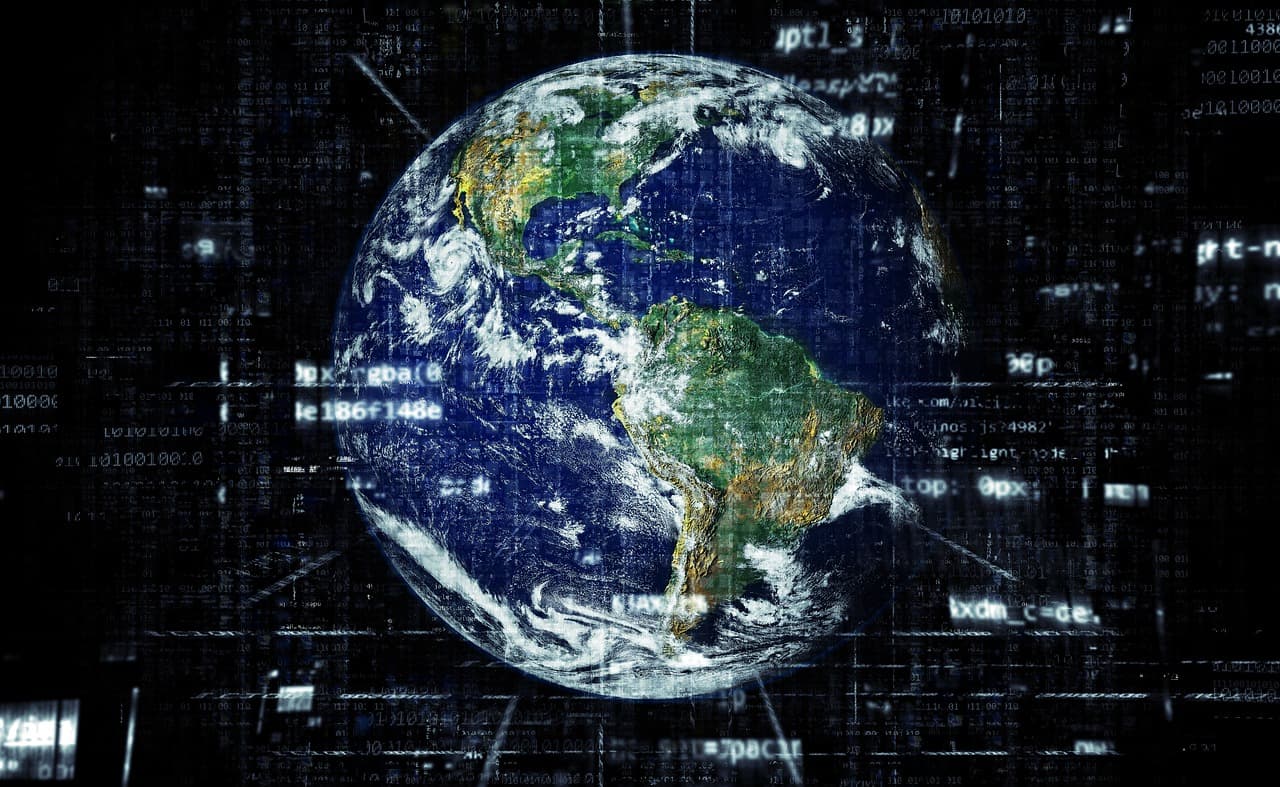
How the Internet Travels Across the World
Every time you open a website, send a message, or watch a video, data travels thousands of kilometers across the planet in milliseconds.
It might feel like the internet is floating in the air around us, but the reality is much more physical. The internet runs on a massive network of cables, routers, servers, and data centers spread across the globe.
Let’s break down how the internet actually travels across the world.
1. The Internet Is a Network of Networks
The internet is not a single system controlled by one company or country.
Instead, it is a network of many smaller networks connected together. These networks belong to:
- Internet Service Providers (ISPs)
- Data centers
- Governments
- Tech companies
- Universities
When you connect to the internet, your device first connects to your local ISP, which then connects to other networks across the globe.
2. Your Request Starts the Journey
When you type a website like: https://www.youtube.com/
Your computer sends a request asking for that website.
Before the request travels across the internet, a system called DNS (Domain Name System) translates the human-readable domain name into an IP address.
For example: https://www.youtube.com/ → 93.184.216.34
Once the IP address is found, the request begins its journey across the global network.
3. Data Travels in Small Pieces (Packets)
Data on the internet does not travel as one large chunk.
Instead, it is broken into small units called packets.
Each packet contains:
- The destination IP address
- The source address
- A small piece of the data
These packets may even travel through different routes across the internet before being reassembled when they reach their destination.
This system makes the internet fast, flexible, and resilient.
4. Fiber Optic Cables Carry Most Internet Traffic
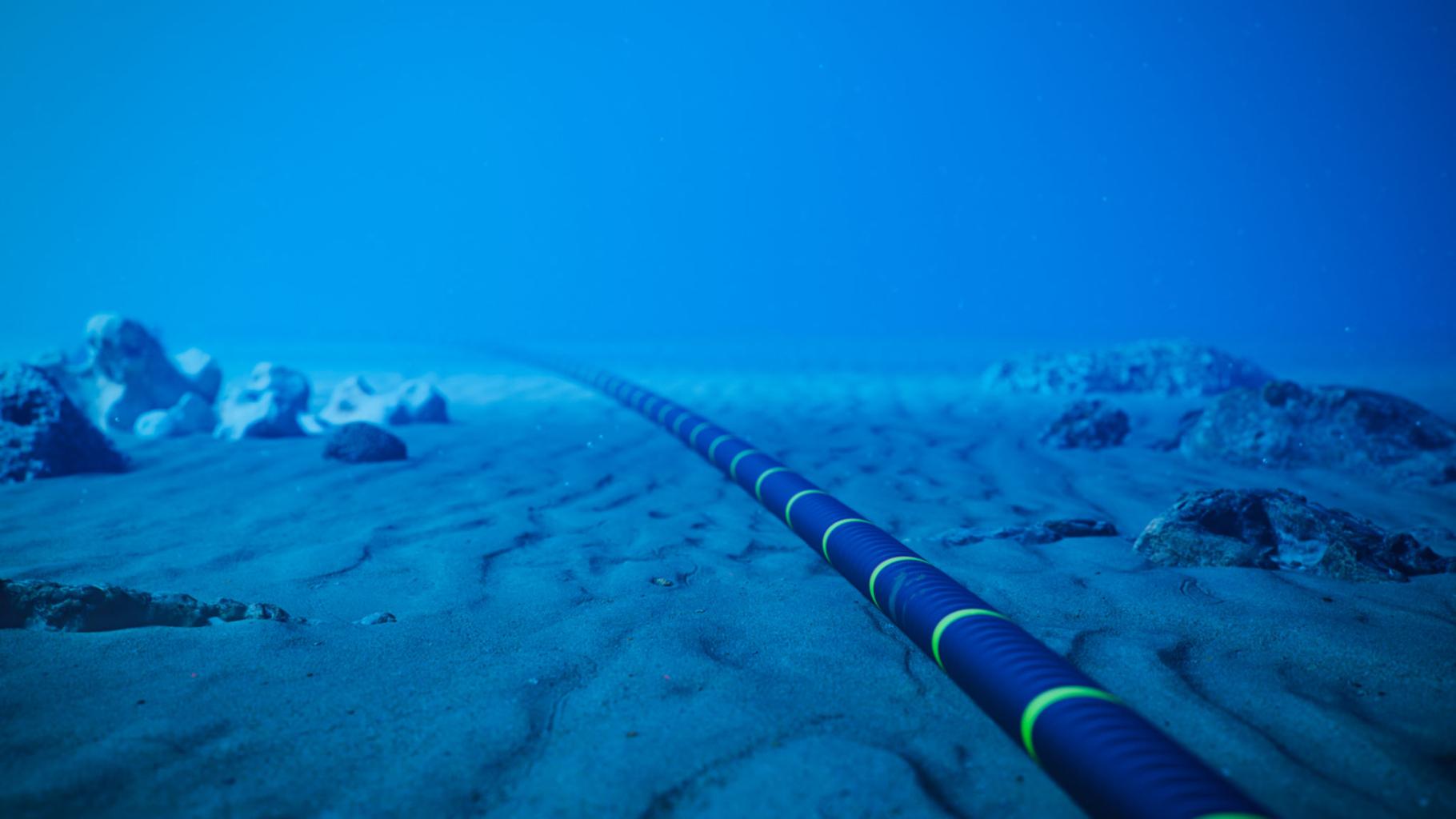
One of the biggest misconceptions about the internet is that most of it travels through satellites.
In reality, over 95% of global internet traffic travels through fiber optic cables.
These cables run:
- Underground across countries
- Under oceans between continents
- Between cities and data centers
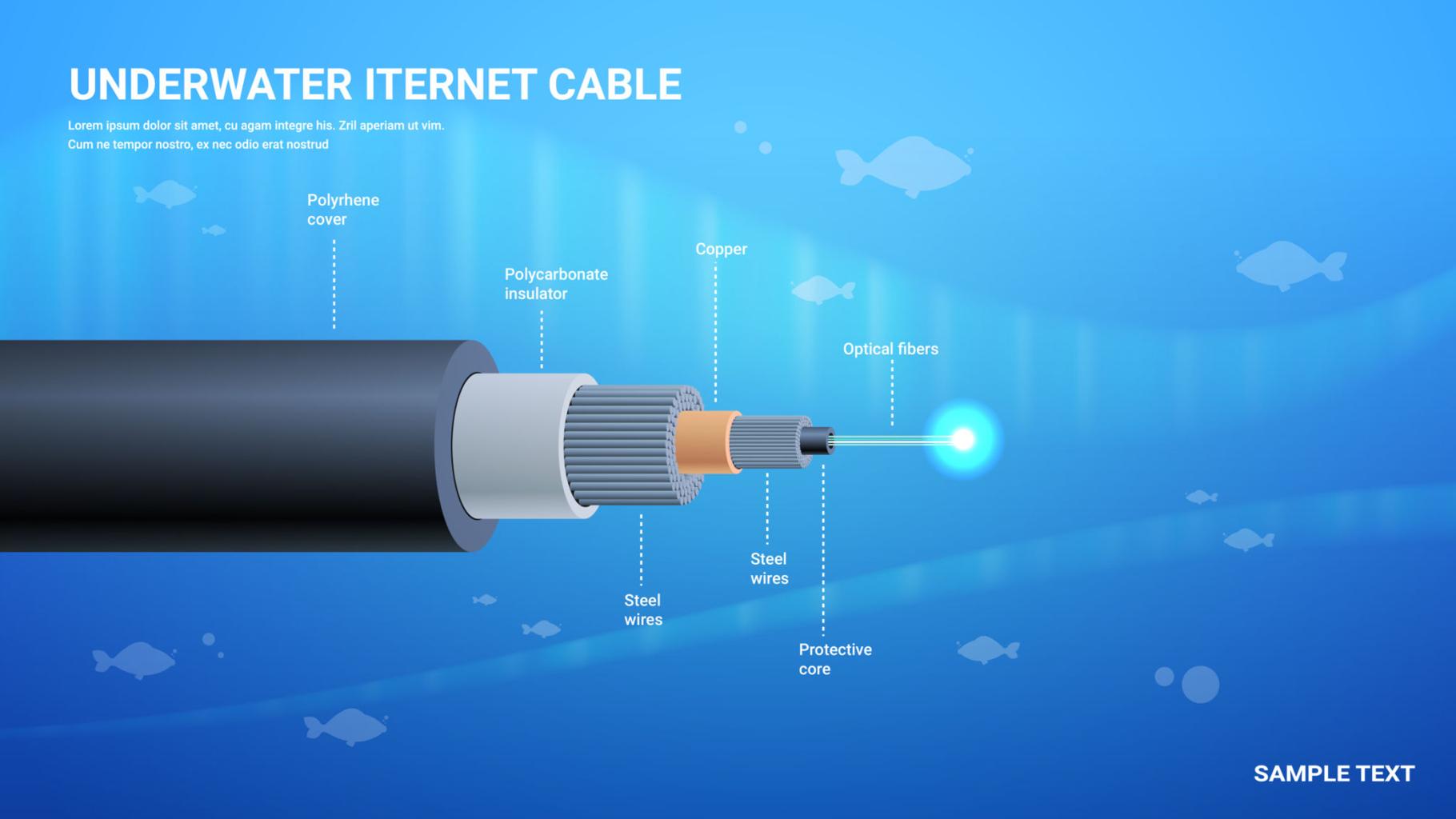
Fiber optic cables transmit data as pulses of light, allowing extremely high-speed communication.
Some submarine cables stretch thousands of kilometers across the ocean floor connecting continents.
5. Routers Decide the Best Path
Across the internet, specialized devices called routers decide where each packet should go next.
Routers analyze:
- Network congestion
- Distance
- Availability of routes
They then forward packets toward the destination using protocols like BGP (Border Gateway Protocol).
Think of routers as traffic controllers of the internet.
6. Data Centers Store the Internet
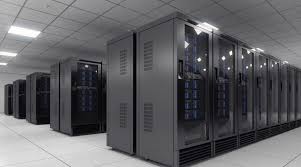
When you access websites, you are usually communicating with servers inside massive data centers.
These facilities contain thousands of computers that:
- Store websites
- Process requests
- Deliver content to users worldwide
Major companies like Google, Amazon, and Microsoft operate enormous data centers to support global traffic.
7. Content Delivery Networks Make the Internet Faster
To reduce latency, companies use Content Delivery Networks (CDNs).
CDNs store cached copies of websites and media in servers located closer to users.
So instead of loading a website from another continent, your data might come from a server in your own country or city.
This is why modern websites load much faster.
8. The Response Travels Back to You
Once the server receives your request, it sends the data back in packets.
Those packets travel across:
- Routers
- Fiber cables
- ISP networks
Finally reaching your device, where your browser reassembles them into the webpage you see.
All of this happens in just a few milliseconds.
Conclusion
The internet may feel invisible, but behind every search, video, or message lies a vast physical infrastructure.
From undersea fiber cables to data centers and routing systems, the internet is one of the most complex engineering achievements ever built.
Every click you make triggers a journey across a global network designed to move information faster than ever before.
And all of it happens almost instantly.